Announcing that the great day of the lord is nearer than you think. O Come let us adore him - Luke 2:13
Ring
12-13
Shemini Atzeret
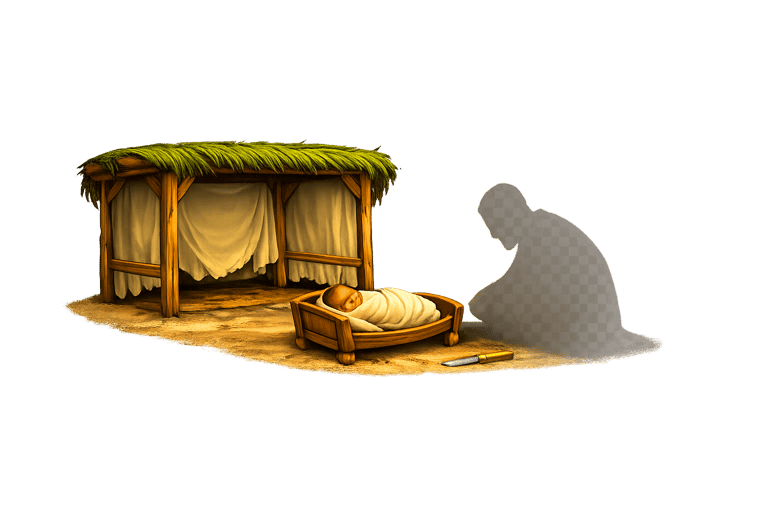

22 Tishrei / HaEtanim
The Eighth Day
The Circumcision of Messiah Yeshua on Shemini Atzeret and the Covenant of Avraham Restored
The Torah tells its story in days and in signs, in the seventh day of rest, in the eighth day of renewal, in the festivals that shape the year, and in the covenant cut into the flesh of Avraham’s sons. And nowhere does this story converge more perfectly than in the circumcision of Messiah Yeshua on Shemini Atzeret, the Eighth Day of Assembly (Leviticus 23:36; Numbers 29:35). One is carved into the body; the other is carved into time. Together they restore what Eden lost.
✦ 1. The Eighth Day: The Covenant’s Own Clock
Circumcision (brit milah) is commanded on the eighth day without exception (Genesis 17:12; Leviticus 12:3). For the layman: the eighth day is the Torah’s symbol of new creation, renewed access, and restored nearness.
It is the day when:
the covenant is cut into flesh,
the Name is placed upon the child,
belonging is sealed,
identity is given,
nearness is restored.
Circumcision is the first Eighth Day; Shemini Atzeret is the great Eighth Day. One marks the body; the other marks the calendar. Both declare: the story can begin again.
And because Messiah is the Seed of Avraham (Genesis 22:18; Galatians 3:16), His circumcision is not incidental, it is the ratification of the Avrahamic covenant in His own flesh, the sign that God’s promises to Avraham’s descendants remain alive, binding, and irrevocable.
✦ 2. Sukkot Gives Him His Tent - Shemini Atzeret Gives Him His Name
The Child who tabernacled among us (John 1:14) enters the world on the first day of Sukkot (Leviticus 23:34–43), the festival of temporary dwelling, the week of fragile booths, the remembrance that God once lived with Israel in a tent.
For the layman: Sukkot is the festival of God dwelling with humanity.
But the Torah’s clock is already ticking.
Eight days later, when the sukkot are taken down, when Israel stands uncovered before the Presence on the Eighth Day of Assembly (Leviticus 23:36; Numbers 29:35), Yeshua receives the covenant in His own flesh (Luke 2:21).
The booth collapses; the veil of flesh is marked; the Name is placed upon Him.
Sukkot gives Him His tent, the incarnate sukkah, the body prepared for Him (Hebrews 10:5). Shemini Atzeret gives Him His Name, the covenant seal, the Eighth‑Day identity, the moment of belonging and nearness.
And because He is the Son of Avraham, His circumcision is the affirmation that God has not abandoned His covenant people nor the promises sworn to their fathers (Genesis 17:7; Luke 1:72–73).
✦ 3. Why This Matters: The Eden Connection
Eden ends with:
exile (Genesis 3:23),
a closed gate (Genesis 3:24),
the walk with God broken (Genesis 3:8–10).
For the layman: Eden’s tragedy is distance.
But Shemini Atzeret is the moed of nearness:
Genesis closes the gate.
Numbers opens the nearness (Numbers 29:35).
Eden casts us out.
Atzeret holds us in.
Eden ends the walk.
Atzeret whispers, “Stay with Me.”
And the circumcision of Messiah on this day is the embodied reversal of Eden’s exile.
The covenant cut into His flesh is the gate reopened. The Eighth Day identity is the walk restored. The Name placed upon Him is the nearness returned.
Through His circumcision, the covenant of Avraham, the covenant of belonging, promise, and nearness, is reaffirmed, embodied, and carried forward into the life of the Messiah who will bring it to its fullness (Romans 15:8).
✦ 4. The Single Bull and the Single Child
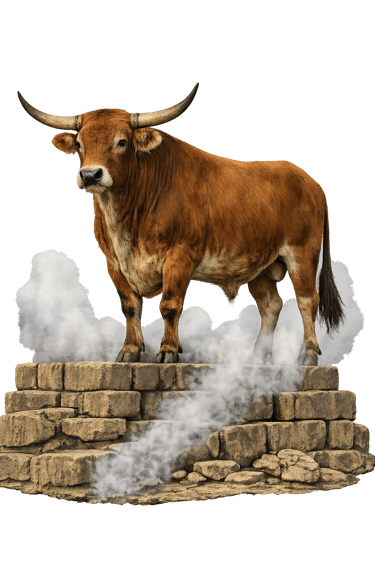
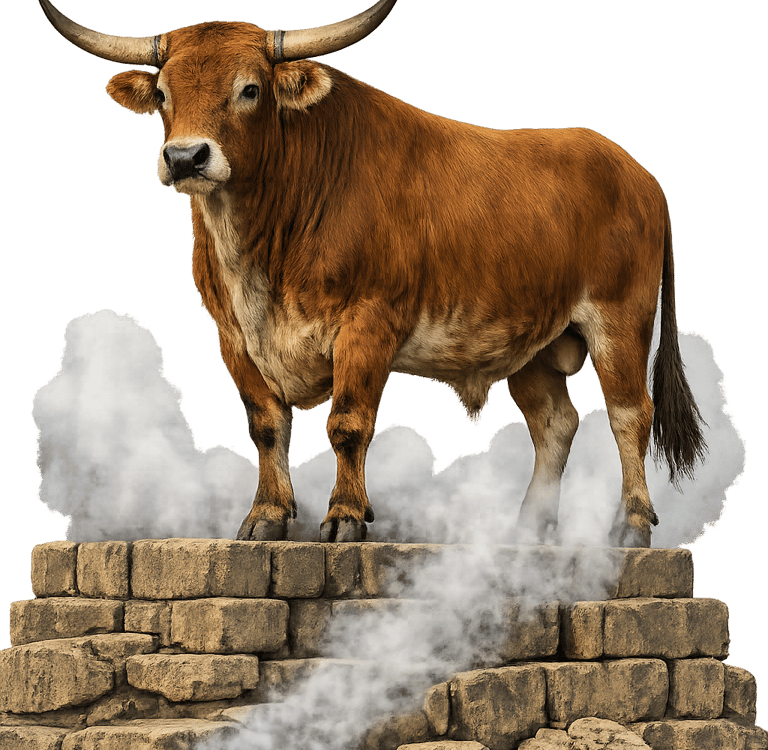
During Sukkot, Israel offers seventy bulls (Numbers 29:12–34), symbolizing the seventy nations (Genesis 10). But on Shemini Atzeret, the offerings collapse to one bull (Numbers 29:36).
For the layman:
Seventy = the nations.
One = intimacy.
The single bull is the sign - the One after the seventy, the intimacy after
the exile, the covenant drawn close again.
And on this same day, one Child receives the covenant in His flesh - the One after the many, the covenant narrowed to a single body, the nearness restored in a single life.
The sacrificial architecture and the incarnational moment speak the same language.
And because He is circumcised into the covenant of Avraham, He becomes the embodied guarantee that the promises to Avraham’s descendants are not revoked, not forgotten, not replaced, but fulfilled, expanded, and secured in Him (Isaiah 49:6; Romans 11:28–29).
✦ 5. The Prophets Already Saw This Pattern
The prophets never name Shemini Atzeret, but they describe its architecture:
Ezekiel opens the gate Eden closed (Ezekiel 46:1–3).
Isaiah announces the new creation the Eighth Day embodies (Isaiah 11; 25:6–9; 66:22–23).
Hosea calls for the return Eden forbade (Hosea 6:1–3).
Zechariah gathers the nations after the seventy (Zechariah 14:16–19).
Jeremiah restores the nearness that was lost (Jeremiah 31:31–34).
Ezekiel again places the sanctuary back in the midst (Ezekiel 37:26–28).
Their voices converge:
The exile bends. The nearness returns. The Presence draws close again.
And the circumcision of Messiah on Shemini Atzeret is the embodied fulfillment of their vision - the covenant of Avraham renewed in the body of Avraham’s Son, for the sake of Avraham’s descendants and for the nations who will be blessed through Him (Genesis 12:3; Isaiah 49:6). Once the covenant is cut, it stands. Once the Name is placed, it remains. Israel may wound its sons, but it cannot un‑son them. Israel may forget the covenant, but it cannot un‑covenant the flesh. The sign in the body is God’s handwriting, and no nation, no community, no council can erase what God has carved. The circumcised child belongs — to Avraham, to the covenant, to the God who remembers flesh. And Messiah’s own circumcision seals the truth: the covenant with Avraham’s descendants is irrevocable, unbroken, and carried forward in the body of Avraham’s Son.


Faith
Nature
contact@tishrei15.com
© 2025. All rights reserved.