Announcing that the great day of the lord is nearer than you think. O Come let us adore him - Luke 2:13
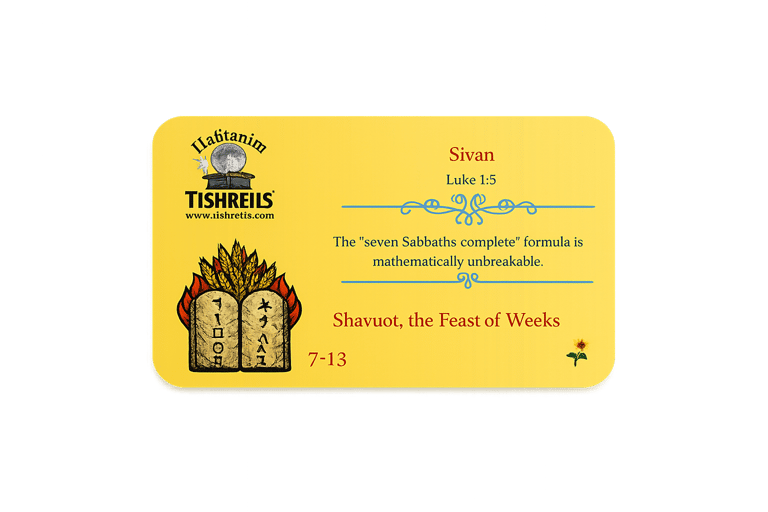
Shavuot
7-13
Ring H
שָׁבוּעוֹת
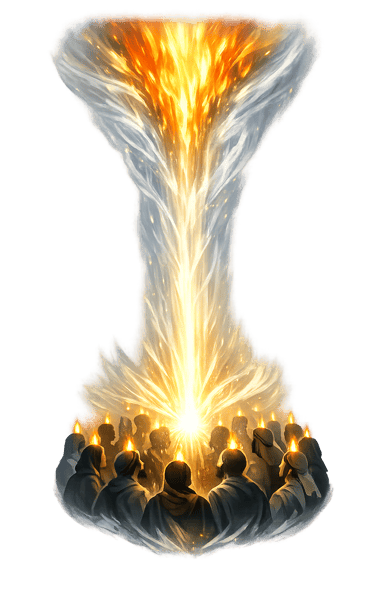
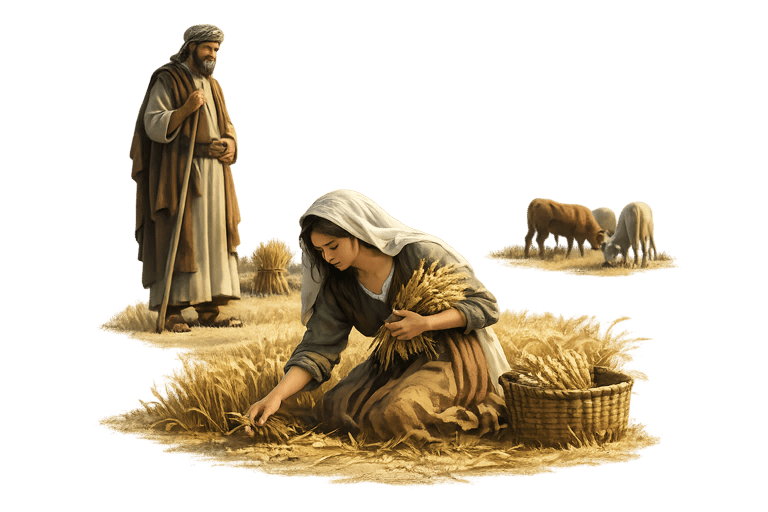
Shavuot is the feast where harvest and revelation meet - the day when wheat ripens and the Voice descends. Ruth stands in that field: a Gentile drawn into covenant, sheltered by Boaz, grafted into the line of David.
When the Spirit falls in Jerusalem on the same fiftieth day, the pattern repeats. The nations begin to enter as Ruth once entered, and the Redeemer’s lineage becomes the Redeemer’s harvest. Shavuot is not the birth of a new religion; it is the widening of an ancient covenant - the field of Boaz becoming the world.
From this Moedim, appointed times, the crop begins to rise and so does the
narrative. The calendar tightens. The Mishmar, the priestly rotation established
under Aaron, fixes the season; the conception of the forerunner fixes the sequence;
and six months later, the announcement to Miryam aligns the birth of Yeshua with
the appointed time of Sukkot. For the Mishmar is not a footnote, it is the
God‑ordained cadence of the priesthood, the weekly watch that determines who
stands before the altar. “These were the orderings of them in their service… under Aaron their father, as the LORD God of Israel had commanded him.” - 1 Chronicles 24:19 When Zechariah enters the Mikdash (מִקְדָּשׁ) - “Holy Place,” during his appointed watch, he is not merely performing duty, he is stepping into the architecture of time that God Himself set in motion. And heaven answers with the first spark of redemption. This is where the story begins, not with a manger, but with a priest, a Mishmar, and a promise that the harvest is near. This harvest imagery is not accidental. It reaches back to the fields of Bethlehem, where Ruth the Moabitess gleaned behind the reapers and where Boaz, the covenant‑faithful redeemer, gathered her into Israel’s story. Ruth gleaned the edges of the field (Leviticus 19:9), and Boaz fulfilled the law of kindness and the right of redemption (Ruth 2–4). Two lives - Gentile and Jew - brought together in the season between barley and wheat, the very season that leads to Shavuot.
What does God command at Shavuot?
“You shall count seven complete weeks… until the morrow after the seventh Sabbath you shall number fifty days.” - Leviticus 23:15–16
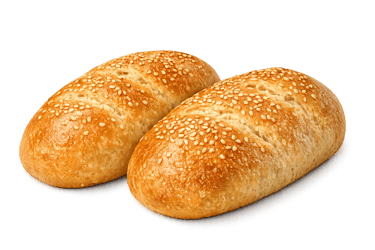
“You shall bring… two loaves of leavened bread… the firstfruits to the LORD.” Leviticus 23:17
Two loaves - two peoples - lifted together. Ruth and Boaz are the living parable of that offering long before the loaves ever reached the altar.
So the same God who commanded Israel to bring firstfruits at Shavuot is the God who now brings forth the firstfruits of redemption in the Temple, a priest standing in incense, a barren woman soon to conceive, a forerunner soon to cry in the wilderness.
The clock of redemption does not start in Bethlehem. It starts in the Temple - in smoke, in incense, in the rotations God Himself ordained, and in the fields of Bethlehem where Ruth and Boaz foreshadowed the two‑loaf harvest that Shavuot would one day reveal. The Architecture of Production
From this Moed, appointed time, the crop begins to rise, and so does the narrative. The calendar tightens. The Mishmarot, the courses of the priesthood, the watch of Aviyah and Yeshua in which the annunciation of Yochanan occur so early in Sivan, set the rhythm; the Moedim set the frame; and within that frame, the harvest symbols begin to speak.
This rhythm for the forerunner Yochanan, and later His cousin Yeshua (the descendant of Ruth and Boaz) bends toward Sukkot and Shemini Atzeret, the appointed days that cradle both his birth and the covenantal sign placed upon Messiah.
The workings of all this fit the narrative for which Ruth and Boaz are the human rehearsal, the joining of Gentile and Jew in the field of Bethlehem, the soil from which David’s line and Messiah’s body will rise.
The Liturgical Rehearsal - The Two Loaves
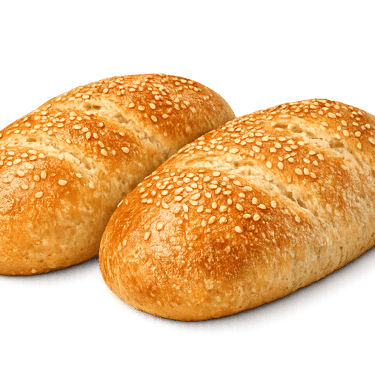
The two loaves of Shavuot are the liturgical rehearsal, leavened, lifted, waved before the LORD as firstfruits of a mixed harvest, declaring that redemption will include both houses. Two loaves - two peoples, raised, pun intended, together.
The Prophetic Rehearsal - The Two Sticks
The two sticks of Ezekiel are the prophetic rehearsal, Judah and Ephraim joined in one hand, the divided covenant made whole again. What the prophet saw in vision, the field of Bethlehem enacted in flesh.
The Convergence - One Act of Divine Craftsmanship
All three converge in one act of divine craftsmanship: the formation of the Messiah’s body — one new man from two.
Ruth and Boaz give the genealogy; Shavuot gives the timing and the Spirit; Ezekiel gives the vision of unity.
Together they form the production line of redemption, the field, the altar, and the prophet’s hand all pointing toward the same outcome:
Messiah emerging from the union of divided houses, the harvest of heaven and earth.
These are not “old” or long‑spent ceremonies of an earlier covenant; they are the foundations, the catalysts, the very machinery God set in motion for the events He intended to unfold and for the fruit He intended them to produce.
Every Moed, every offering, every rotation of the Mishmarot is a seed sown by God Himself, and God always reaps what He sows.
The ceremonies are not relics. They are the architecture of His harvest.

Faith
Nature
contact@tishrei15.com
© 2025. All rights reserved.